
Information for Owners
What to bring and to expect if your horse is referred or admitted to Liphook Equine Hospital

About our referrals
Why choose LEH?
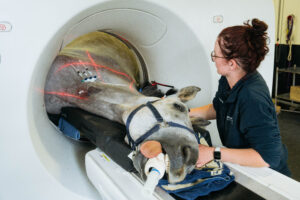
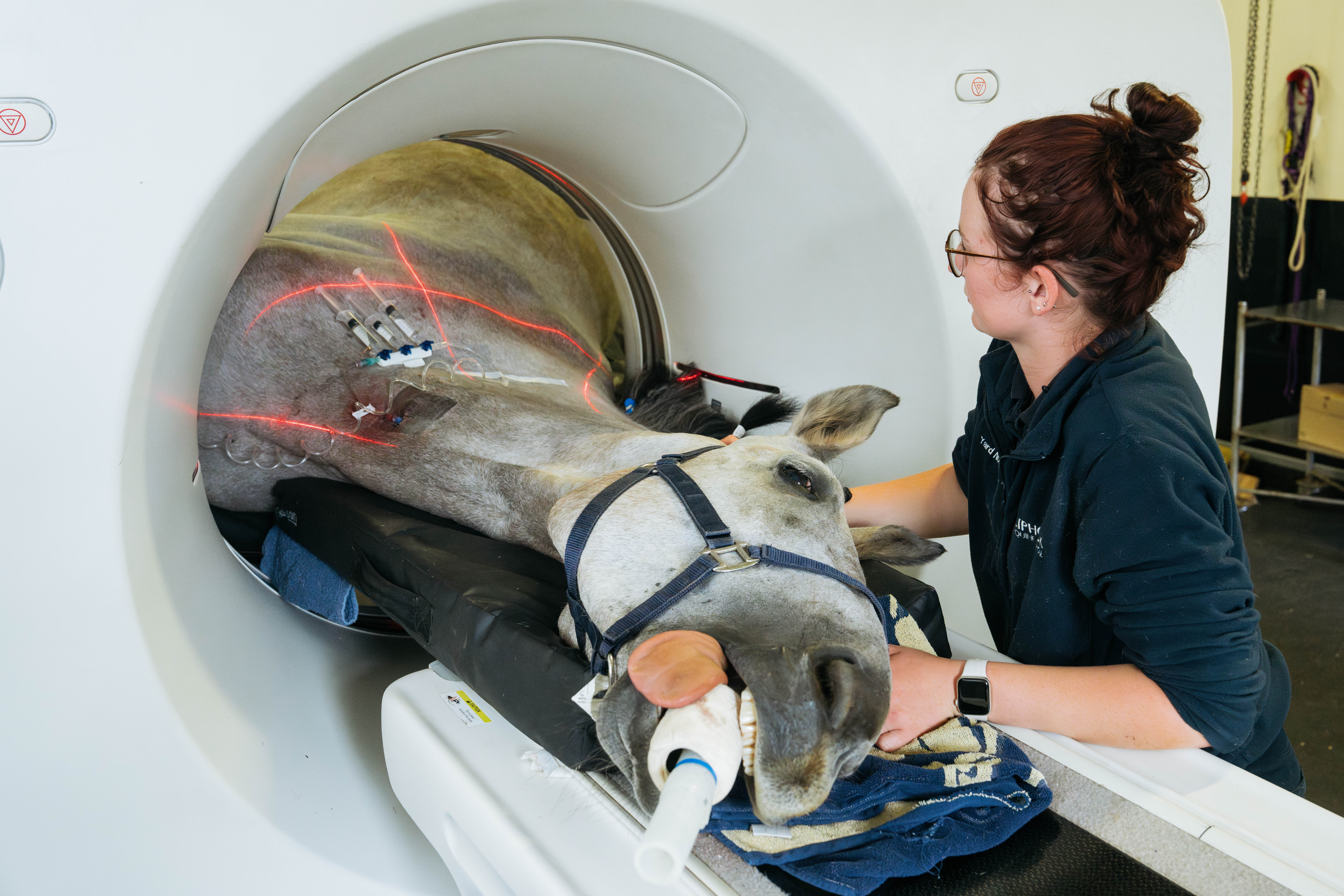
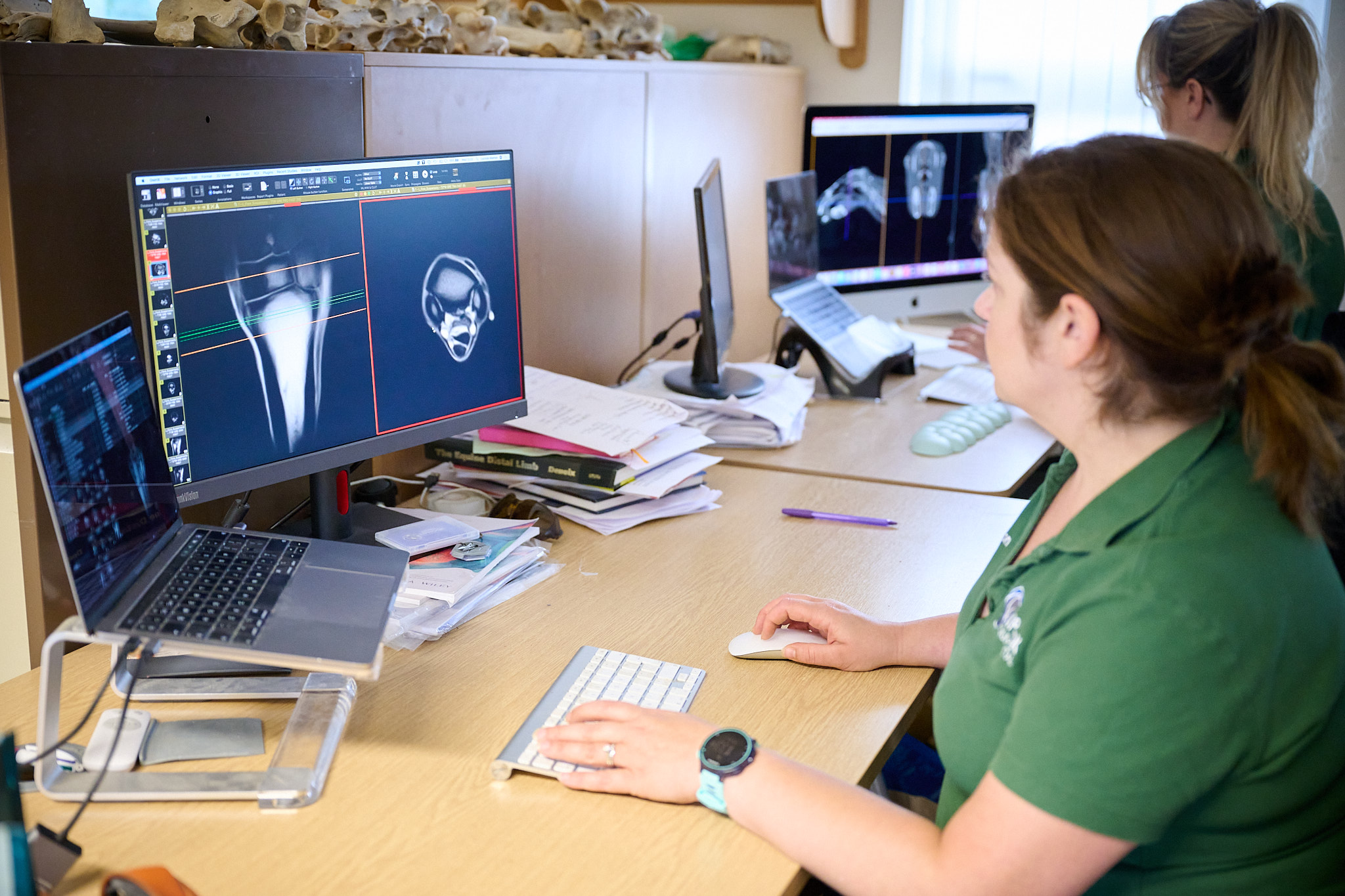
The Liphook Equine Hospital is a Tier 3 RCVS Approved Equine Hospital. It was one of the first in the country to achieve the exacting standards of this top level recognition by the Royal College of Veterinary Surgeons.
The Liphook Equine Hospital is led by a team of internationally recognised surgical and medicine equine specialists with extensive experience and expertise. Each of our specialists has particular areas of interest. Our specialist veterinary surgeons have national and international reputations and have written scientific papers and published in text books and scientific journals. They are all invited to speak regularly at national and international meetings and teach on continuing education courses for other members of our profession. Our team of specialists are assisted by housevets and residents. Each of our vets is dedicated to providing your animal with the very best treatment and care.
Horses, ponies and donkeys come from all over the UK and further afield to be treated by our referral specialist teams. We continually strive to enhance and improve the service we offer to owners, their animals and the veterinary surgeons who entrust their patients to our care.
Our nursing team is the largest equine nursing team in the UK. Many of our nurses have specialist equine nursing qualifications. We could cut costs by employing fewer nurses but we recognise that the quality of the nursing team plays a huge part in the overall care of your animal. Our hospital is staffed by nurses 24 hours a day, 365 days a year, so your horse will be supervised around the clock. In addition to the nursing staff there is always at least one veterinary surgeon on site throughout the night.
We have extensive facilities and have a wide array of diagnostic, therapeutic and surgical equipment as well as the expertise to use them.
What can I expect?
Commitment
At the Liphook Equine Hospital we are committed to providing the optimal care and veterinary treatment to your animal.
Inpatients
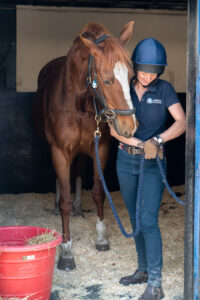
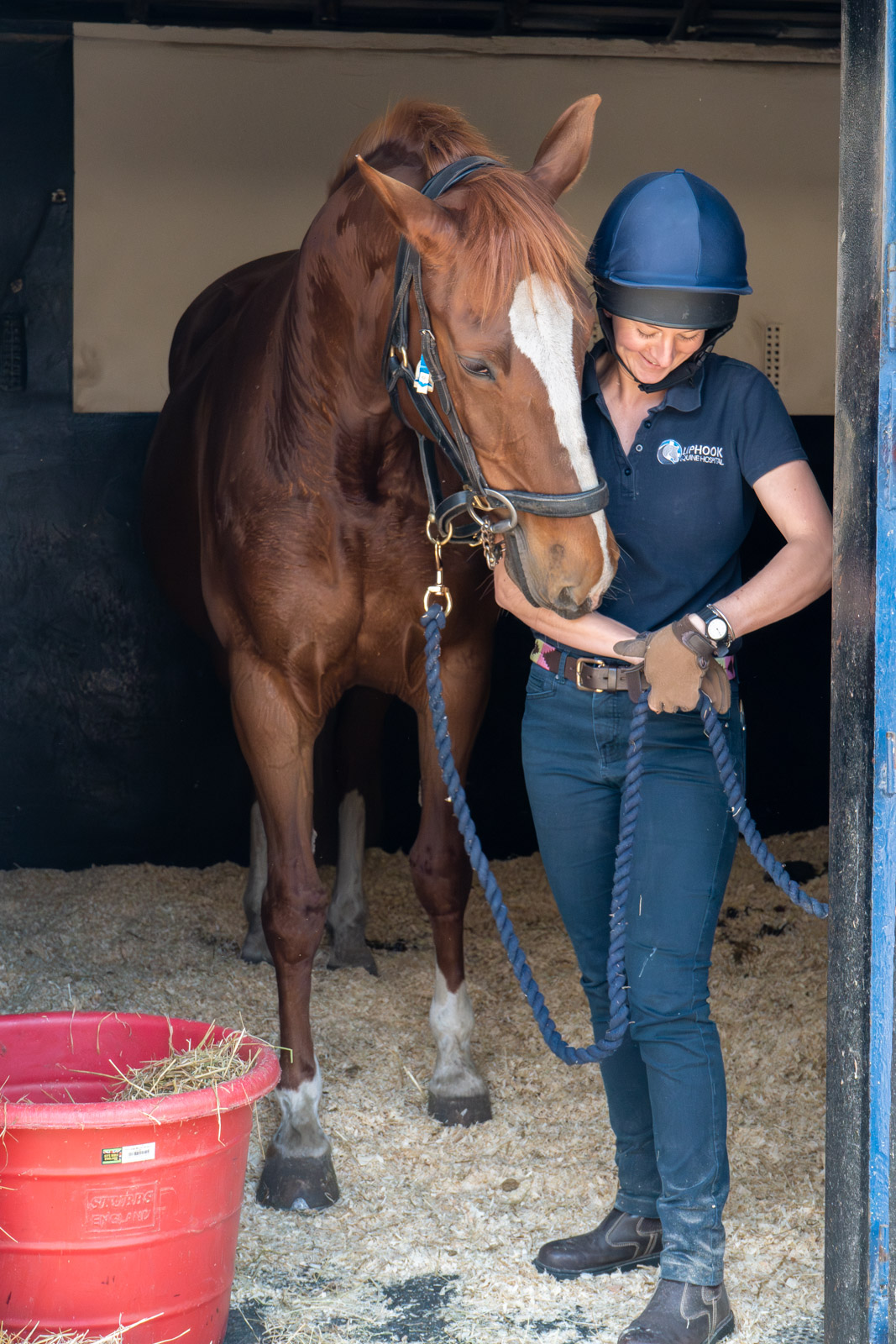
Each of the inpatients will be under the direct care of one of our specialists who will also liaise with one of our house vets who will assist in the day to day care of your horse, pony or donkey. Furthermore each horse will be allocated a nurse who will be responsible for the day to day management and nursing care of your animal. On arrival the nurse will ensure that she knows about your horse’s daily routine, feeding requirements, any special requirements and therefore ensure that appropriate care is given.
Lorries and Trailer
You are welcome to leave your trailer or lorry in the hospital car park whilst your horse is an in-patient but can we please ask that you:-
– Tell reception the registration number of your trailer or lorry
– Park it neatly at the top of the lorry park, next to the loading ramp
– Accept that it is left entirely at your own risk and that The Liphook Equine Hospital can accept no responsibility for any loss or damage.
Daily updates
You are welcome to telephone each day to enquire about your horse’s condition and progress. It is usually more convenient if you telephone after mid-morning (01428 727200) by which time any daily checks and dressings will have been carried out and horse reassessed at the morning ward round.
The hospital office (telephone number 01428 723594) is open between 8am and 5.30pm Monday to Friday and between 8am and 12.30pm on Saturdays.
The veterinary surgeon in charge of your horse will be happy to discuss its progress with you but please understand that they may not be able to leave another horse immediately when you telephone or visit. However, we will return your telephone calls. Our housevets, yard manager or nurses are usually available to answer any questions that you may have.
Visiting
You are welcome to visit your horse during its stay at the hospital, between 10am and 5.30pm. We ask that you do not visit outside these times as it may interfere with ward rounds, feeding, rest periods, medication or treatment of other horses. In certain circumstances, we will permit visiting outside these times but only by prior arrangement. Please do not feed or walk out your horse without the prior approval of a vet or its attending nurse. For safety reasons do not enter any stable which has a radioactive warning sign on the door. Please respect the confidentiality and privacy of the other owners and their horses.
Children and dogs present a very real threat to the safety of both themselves and our in-patients. For this reason dogs are not allowed out of your vehicles under any circumstances and we ask that all children be kept under strict control. Although your children may be used to handling horses at home, experience suggests that in a busy, strange environment both children and horses behave differently and, although we fully understand the reasons why children visit their horses, experience shows that uncontrolled young visitors are at particular risk.
Referral letter to your veterinary surgeon
When your horse has been discharged from The Liphook Equine Hospital you will be given a written set of discharge instructions. These written instructions will also be copied to your veterinary surgeon. A full report will be sent to your veterinary surgeon outlining the details of any investigations and treatment that your animal has undergone and when requested a copy of the report will also be submitted to your insurance company.
Places to eat and stay locally
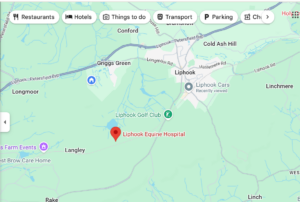
Whether you are after a quick bite to eat whilst you are in the area or a place to stay, the following links may be helpful…
The Links Pub, Liphook
A large gastropub serving food all day, a short drive from the practice.
See http://www.fullers.co.uk/rte.asp?id=243&itemid=167&task=View
Old Thorns Hotel, Liphook
A large hotel spa resort offering food and accomadation a few miles from the practice
www.oldthorns.com
The Jolly Drover, Rake
A traditional village pub with B&B rooms available within a few miles of the practice
www.thejollydrover.co.uk
For more information about the nearby market towns of Petersfield (8 miles) and Haselmere (7 miles) see their respective tourist information websites.
www.visitpetersfield.co.uk
www.haslemere.com/vic/
What is a specialist?
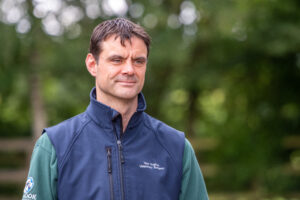
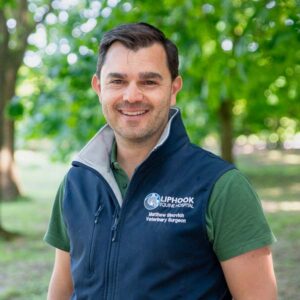
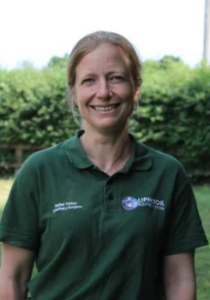
An officially recognised veterinary Specialist is an individual who has completed an advanced supervised training programme in their field of expertise and achieved Diploma status in that field.
To be eligible to take the Diploma examinations vets must fulfil stringent criteria and demonstrate that, not only have they completed an advanced training programme (minimum of 4 years) but also demonstrate their involvement in research and that they have publications in peer reviewed journals. Each specialist has passed an in depth examination usually lasting over several days. All of our specialists have taken the European Diploma exams in their field of expertise. Furthermore most of them have received recognition of their expertise by the Royal College of Veterinary Surgeons and are listed on the RCVS Specialist rota.
To be included on the List of Recognised Specialists, an individual must have achieved a postgraduate qualification at least at Diploma level, and must additionally satisfy the RCVS that they make an active contribution to their specialty, have national and international acclaim and publish widely in their field. Specialist status is extremely difficult to achieve and to maintain and is the highest level of recognition of expertise that can be attained in clinical veterinary work.
What should I bring?
Passport
Under current legislation, all horses must have a passport. Please bring it with you so that it can be checked on admission. According to EU law, many drugs can only be administered if that part of the horse’s passport that certifies that the animal is not for human consumption has been signed. Whilst we will not decline treatment of your horse if the passport is unavailable, we will treat your horse as though you have agreed that it will not be used for human consumption. It will be your responsibility to complete the passport, when it becomes available, to this effect.
Insurance Details and Claim Form
If your horse is insured for veterinary fees, loss of use or mortality, please ensure that you bring details of your insurance cover and a claim form.
Rugs
If your horse is likely to be admitted as an inpatient please bring any day or night rugs that your horse might need. We will not require you to leave your headcollar and rope.
Feed and dietary supplements
We stock most usual feedstuffs and on admission, the nurse will ensure that we know what your horse is currently being fed so that we can feed an appropriate diet to your horse whilst it is an inpatient. If your horse has unusual supplements or feedstuffs please check with the hospital before admission to see whether you need to bring them with you.
If your horse is coming in for a lameness examination:
How do I arrange a referral?
Our specialists are happy to accept elective and emergency referrals of horses, ponies and donkeys from veterinary surgeons from all over the UK.
For professional and ethical reasons, and in the best interest of your horse, pony or donkey, we are only able to accept animals that are referred by a veterinary surgeon. Horse owners who call us directly will be asked to discuss referral with their own veterinary surgeon. Once the decision to refer an animal has been taken, the referring veterinary surgeon should discuss the case with one of our clinicians and an initial plan of investigation, together with an estimate of likely costs, will be advised.
Referrals can be made with our Hospital Office by calling 01428 727200 during office hours (Monday-Friday 8am-5.30pm, Saturday 8.30am – 12.30pm). Emergency referrals, out of hours, can be made by calling 01428 727727 . Having received a request for a referral from a veterinary surgeon, one of our hospital office receptionists will contact you directly to arrange a mutually convenient time and date for an appointment.
It is essential that if your horse is insured for veterinary fees, loss of use or mortality that you advise your insurance company of the circumstances, prior to admission of the horse.
Payment and insurance
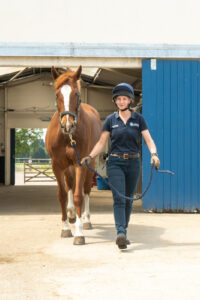
At the initial consultation the veterinary surgeon will discuss the investigation and treatment options with you and provide you with an estimate of costs. The nature of the specialist care that we provide and the specialist equipment we use means that these costs are often greater than you might expect from your first-opinion practice.
Our Terms of Business are that full payment must be made before or at the time of your horse’s discharge , unless you are a registered first opinion client and have an authorised account with us in which case payment must be made within 10 days of presentation of the monthly invoice.
We accept most types of credit and debit cards but do not accept American Express.
Should you find yourself in a position where you are unable to pay your account within 10 days please contact the accounts office as soon as possible, so we may assist you to make suitable arrangements.
The Practice will charge interest on any overdue accounts at a rate of 2.5% per month, compound. If the involvement of a third party debt agency or The County Court becomes necessary you will be responsible for all agency / collection fees incurred.
Insurance
Please note the role of the insurance company is to reimburse you for fees incurred for veterinary treatment.
If your horse is insured, it is your responsibility to contact your insurance company before your horse’s appointment. If your horse is admitted as an emergency at night, at the weekend or on a Bank Holiday you should notify your insurance company as soon as possible after admission. You will need to check with your insurance company about your level of cover, any exclusions that might apply and what excess you will need to pay. We will do our best to help with this process but insurance companies often prefer to deal with the policyholder.
Irrespective of whether your horse is insured for veterinary fees, we ask that you settle your account at or before collection of your horse and that you claim back the costs from your insurance company. Please ask your insurance company for an insurance claim form and give it to one of our receptionists or the veterinary surgeon attending your horse. We will complete the insurance form for you and send off the form on your behalf and your insurance company will reimburse you directly
Although we do not routinely make direct claims from insurance companies, they can be arranged with certain insurance companies under certain circumstances, provided that you discuss this with us, either prior to your appointment or on your arrival, before your initial consultation with the vet and prior to any investigations or treatment being undertaken. Direct claims cannot be requested at the time of collection of your horse , after treatment has already been given.
In addition, at the time of making the first direct claim, we ask for a down-payment of any excess specified on your insurance policy, regardless of whether you believe that this may already have been paid – any overpayment will be promptly refunded.
Please note that you will be liable for any shortfall in fees which is not covered by your insurance company.
If you anticipate any difficulty with payment please telephone the Accounts Department (01428 725309) in advance to discuss whether alternative arrangements are possible.
For further information about equine insurance click here