

Surgical Procedures:
Colic surgery
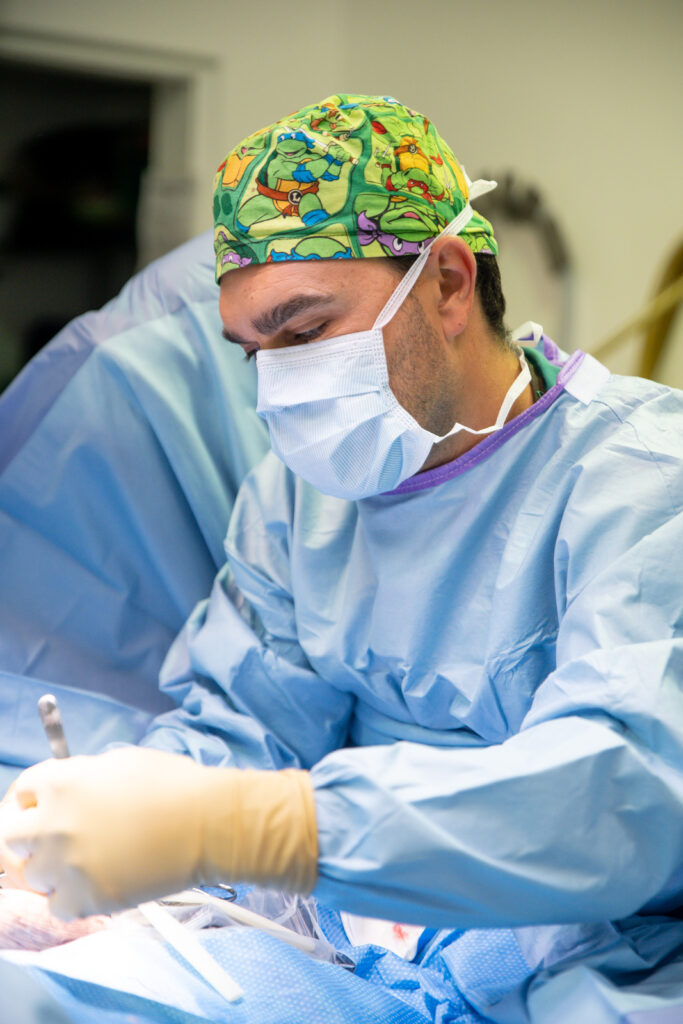
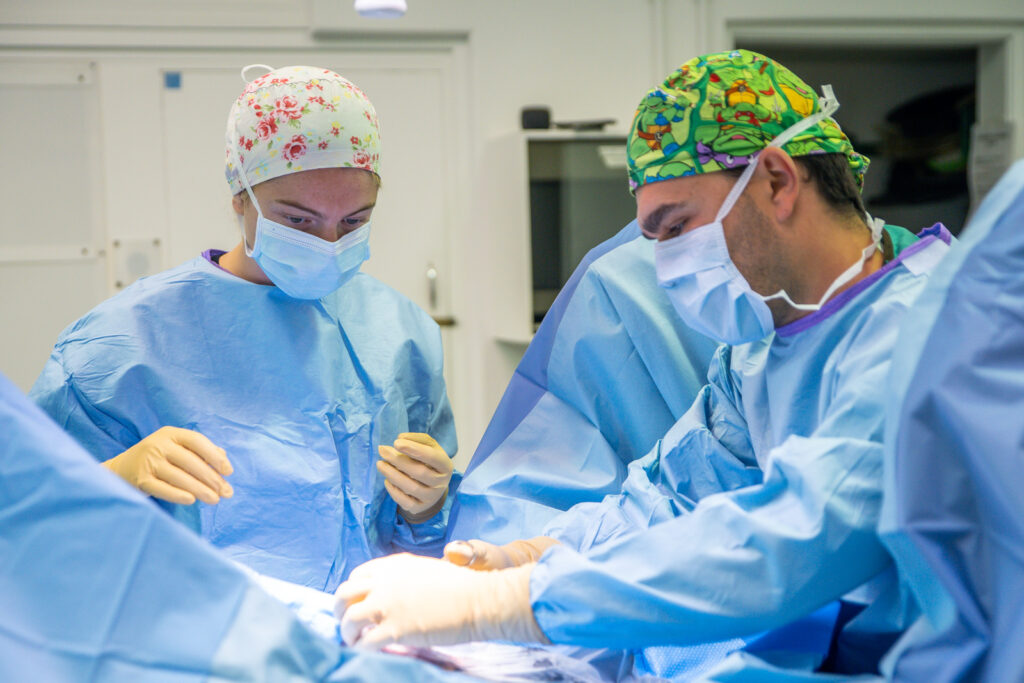
All of our veterinary surgeons are extremely experienced in colic surgery and have lectured on this topic at international conferences.
However, not only is the experience of the surgeons important when performing corrective surgery, but intensive care nursing in the immediate post-operative period is essential to a successful outcome.
All post-operative colic patients at our hospital receive round-the-clock nursing and monitoring in our intensive care facility by our highly skilled and experienced nursing and veterinary staff.
Orthopaedic surgery
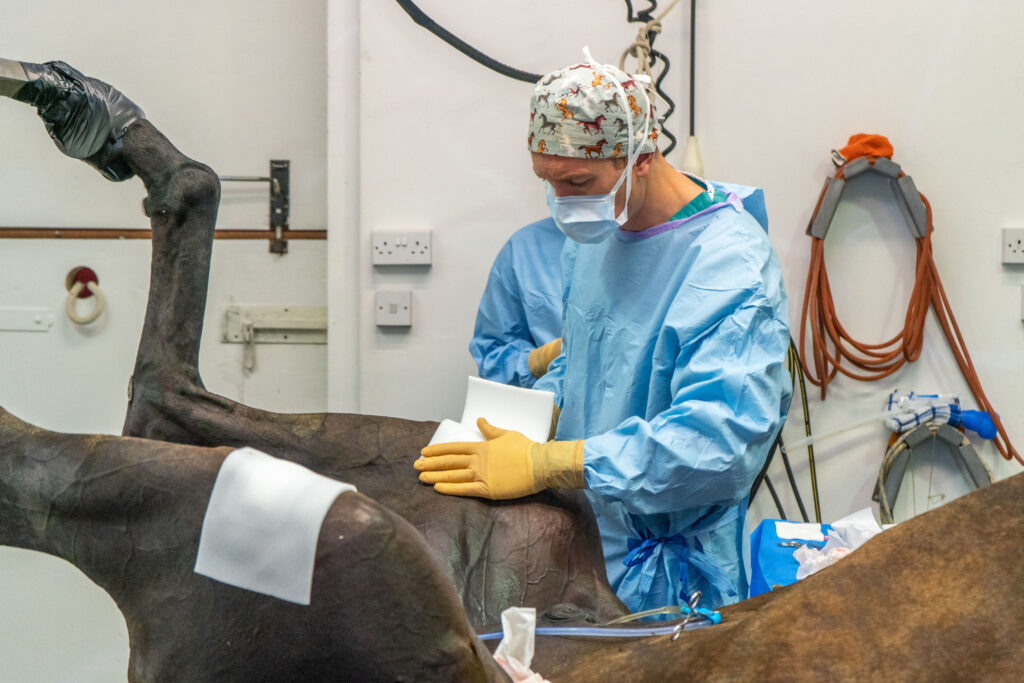
Most surgery of equine joints and other synovial cavities is performed using minimally invasive (‘keyhole’) techniques. This has resulted in better outcomes and horses returning to work more quickly.
All of our surgeons are experienced in the use of minimally invasive surgical techniques (eg. arthroscopy and tenoscopy), which can help with the management of a wide range of musculoskeletal conditions and injuries.
The development of new internal fixation techniques (plates and screws) for horses and improvements in imaging and anaesthesia techniques have meant that many more fractures in the horse can now be repaired, meaning that the horse can return to athletic performance.
The surgeons at our equine hospital have the expertise and equipment available to them in order for fracture fixation to be performed.
The nature of the horse means that traumatic wounds and injuries are all too common. Therefore, as well as performing elective surgery, a 24-hour emergency surgical service is available for the treatment and management of musculoskeletal injuries, such as wounds, septic joints and fractures.
Dental and sinus surgery
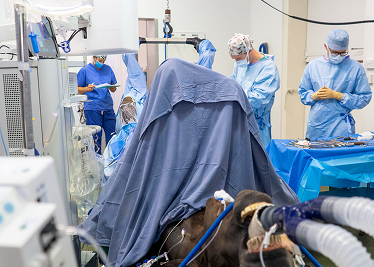
Dental disease is common in the horse and often results in secondary infection of the paranasal sinuses. Dental surgery is routinely performed at our hospital, both under general anaesthesia and in the standing sedated horse under local anaesthesia. Furthermore, sinus surgery to remove sinus cysts, ethmoid haematomas and for other sinus conditions is also commonly performed under standing sedation.
Laparoscopy
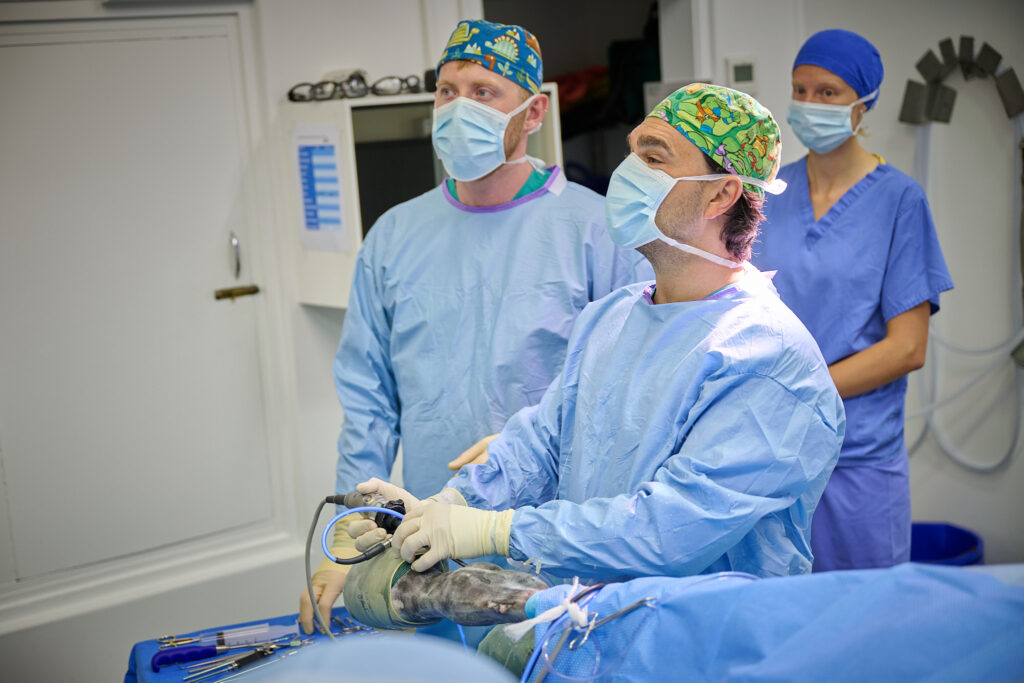
Laparoscopic standing surgery in the horse was pioneered at Liphook Equine Hospital by John Walmsley in the 1990s and early 2000s, and the surgeons at our hospital maintain a keen interest in this field.
Laparoscopic (or keyhole) surgery of the abdomen enables the surgeon to visualise and evaluate the gastrointestinal tract and other structures of the abdomen using a camera inserted through small incisions in the flank, and therefore in most cases can be performed in the standing horse therefore avoiding the need for general anaesthesia.
Laparoscopic surgery can be used to assess the gastrointestinal tract in horses with weight loss or recurrent colic. Minimally invasive laparoscopic surgical techniques are commonly used to remove retained testicles in cryptorchid horses or remove ovaries in mares with ovarian tumours or cysts, or for behavioural reasons.
This minimally invasive surgery results in less morbidity in the post-operative period and a much shorter recovery period.
Respiratory tract surgery
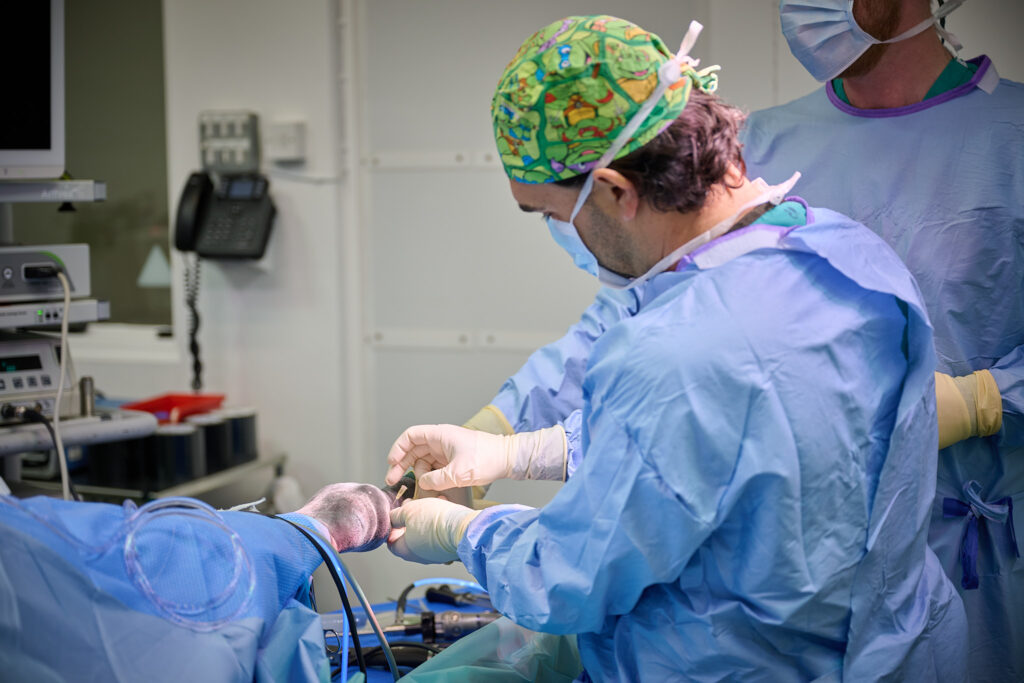
Upper respiratory tract conditions are a common cause of poor performance and exercise intolerance in racehorses and sports horses.
Our surgeons perform surgeries on the larynx and pharynx to improve airway dynamics, using both traditional methods and minimally invasive endoscopic laser surgery.
Foraminotomy
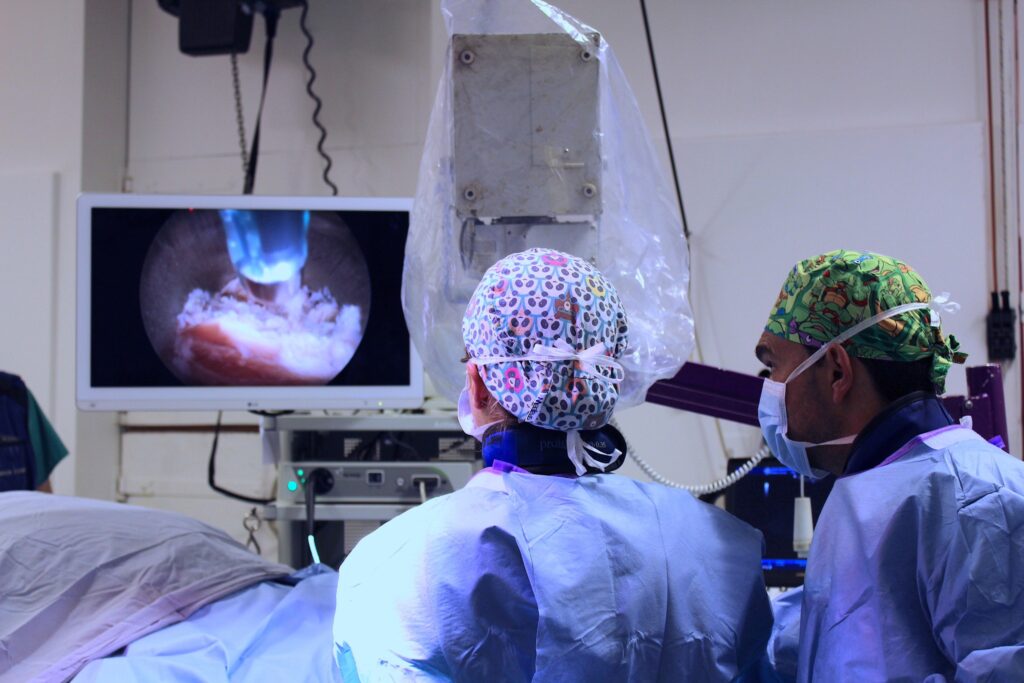
We are excited to offer a minimally invasive surgery, allowing us to treat a number of neck and lameness issues in horses. When bony narrowing of the intervertebral foramen of the cervical vertebrae is found to cause signs of spinal nerve compression (radiculopathy), surgical widening of the intervertebral foramen can be performed to relieve the pain and loss of nerve function that it causes.
We offer a complete range of diagnostic and treatment options for neck conditions in the horse, including full neck CT, myelography, ventral stabilisation (wobbler) surgery, foraminotomy, articular process (facet) joint arthroscopy, perineural injection and joint injection, making us the only hospital in the UK able to offer the full complement of procedures now possible for the neck of the horse.
We have close links with international specialists to ensure we remain at the forefront of this rapidly progressing area of veterinary medicine. We endeavour to work closely with our referring vets and owners to provide a tailored approach for each of our patients to ensure the most appropriate outcome for all.
Laser surgery
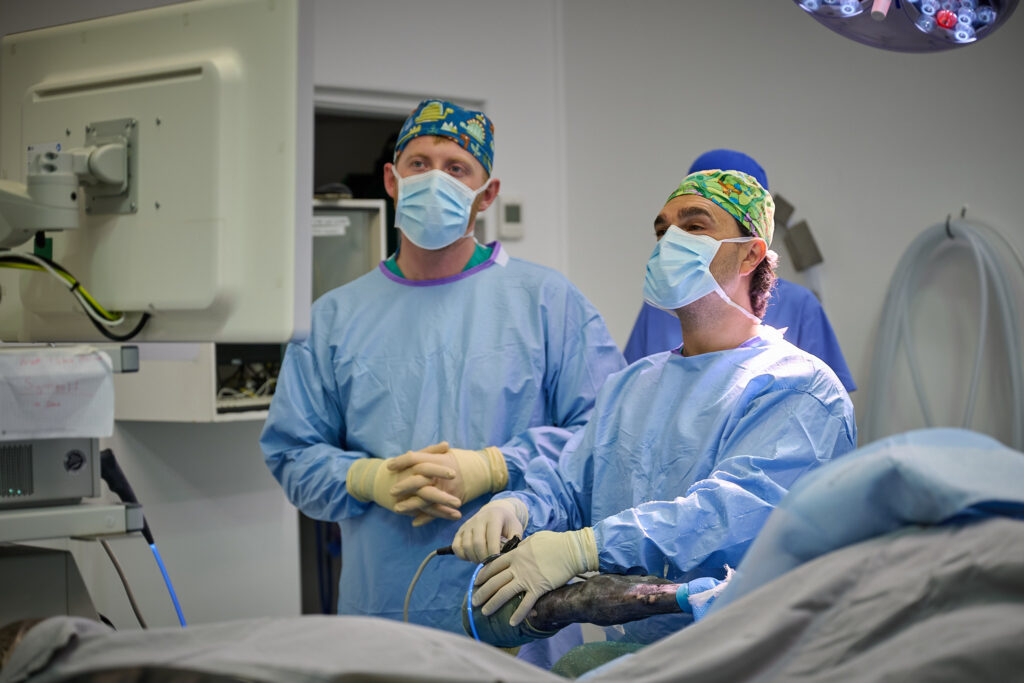
We have a portable diode laser that can be used as a non-invasive method of treating a variety of surgical conditions. The laser can be used via an endoscope for the treatment of laryngeal hemiplegia and dorsal displacement of the soft palate.
It is also used for the ablation of masses of both the upper and lower respiratory tract and urogenital tract and for the removal of equine sarcoids and other skin tumours.